
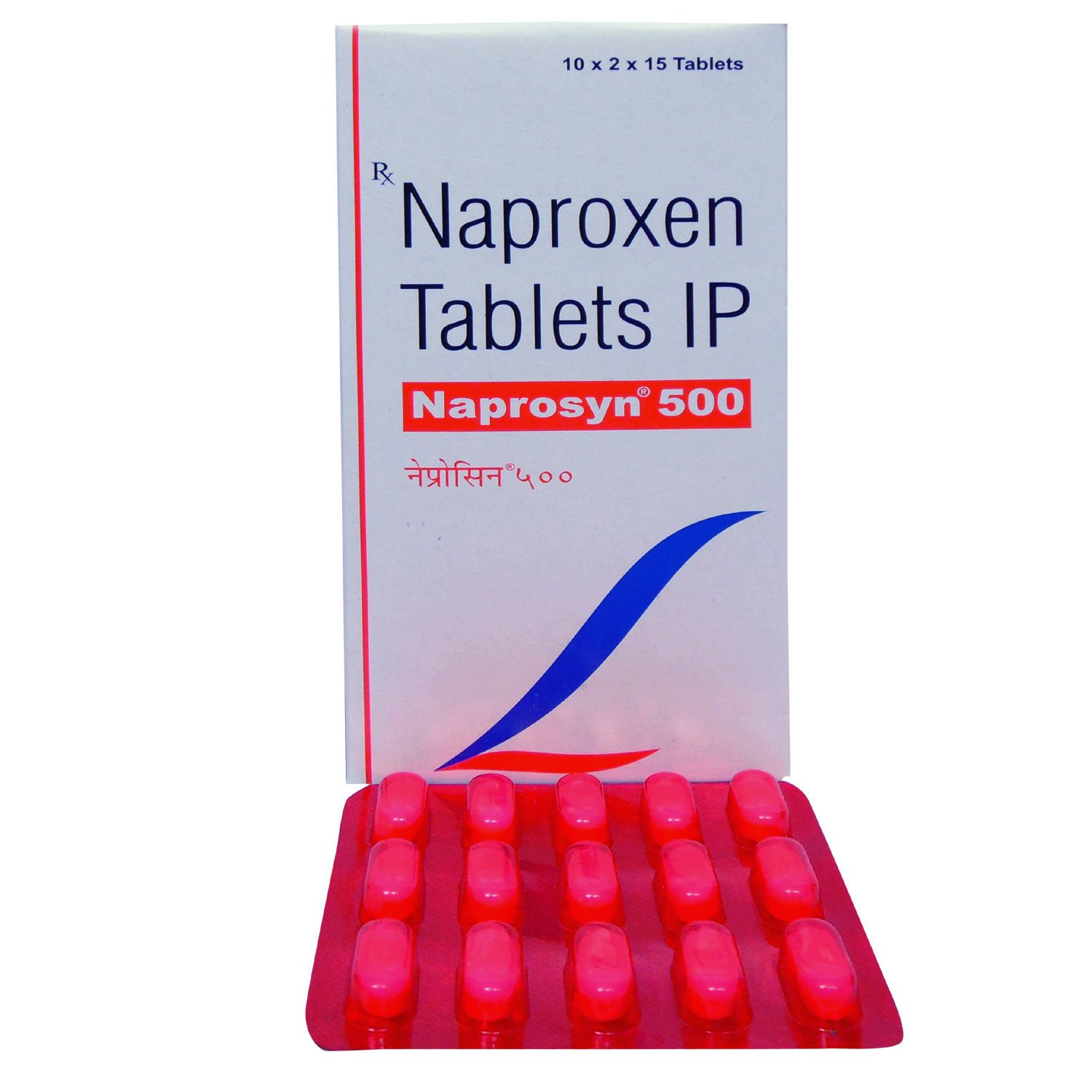
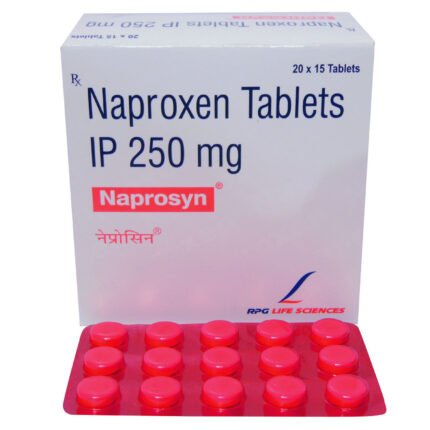
What is Naprosyn 500 mg (Naproxen)?
Naprosyn 500 mg is a prescription-strength nonsteroidal anti-inflammatory drug (NSAID) containing Naproxen. It is commonly used to relieve pain, inflammation, and swelling associated with various acute and chronic conditions. Naprosyn belongs to a class of drugs that work by inhibiting enzymes responsible for producing prostaglandins—substances that trigger inflammation and pain.
What are the Uses of Naprosyn 500 mg?
Naprosyn 500 mg is used to manage:
Osteoarthritis and rheumatoid arthritis
Ankylosing spondylitis
Acute gout attacks
Tendinitis and bursitis
Muscle and joint pain
Dysmenorrhea (menstrual cramps)
Postoperative or dental pain
Fever and general pain relief
What are the Benefits of Naprosyn 500 mg?
Effective inflammation control for joint and soft tissue conditions
Long-acting pain relief, reducing the need for frequent dosing
Non-opioid alternative, lowering the risk of addiction
Convenient dosing (typically twice daily)
Well-studied and widely used NSAID with established efficacy
How Does Naprosyn 500 mg Work?
Naproxen works by inhibiting cyclooxygenase enzymes (COX-1 and COX-2). These enzymes are involved in the synthesis of prostaglandins, which cause inflammation, swelling, and pain. By blocking these enzymes, Naprosyn reduces pain and inflammatory responses in the body.
How to Take Naprosyn 500 mg?
Take the tablet with food or milk to reduce gastrointestinal side effects.
Swallow the tablet whole with a glass of water—do not crush or chew.
Take it at the same time each day for best results.
Follow your doctor’s instructions carefully and do not exceed the prescribed dose.
Dosage of Naprosyn 500 mg
Typical adult dose: 500 mg twice daily (morning and evening).
Initial dose for acute pain: May start with 500–1000 mg per day.
Maintenance dose: 250–500 mg twice daily.
Maximum daily dose: Generally should not exceed 1000 mg/day unless directed by a physician.
Missed Dose and Overdose
Missed Dose: Take as soon as you remember. If it’s near the time for your next dose, skip the missed one. Do not double the dose.
Overdose: May lead to symptoms such as nausea, vomiting, drowsiness, stomach pain, bleeding, or difficulty breathing. Seek immediate medical attention in case of overdose.
What are the Available Strengths of Naprosyn (Naproxen)?
Naprosyn (Naproxen) is available in various forms and strengths:
Tablets: 250 mg, 375 mg, and 500 mg
Extended-release tablets: 750 mg (e.g., Naprelan)
Naproxen sodium (e.g., Aleve): Available OTC in 220 mg strength
Side Effects of Naprosyn 500 mg
Common Side Effects:
Nausea
Headache
Dizziness
Indigestion
Constipation
Serious Side Effects:
Stomach ulcers or gastrointestinal bleeding
High blood pressure
Kidney or liver dysfunction
Fluid retention or swelling
Cardiovascular events (heart attack, stroke)
Severe allergic reactions (rash, anaphylaxis)
Interactions of Naprosyn 500 mg
May interact with:
Other NSAIDs or aspirin (increased GI bleeding risk)
Blood thinners (e.g., warfarin, rivaroxaban)
ACE inhibitors, ARBs, and diuretics (may reduce kidney function)
Lithium (increased serum levels and toxicity)
Methotrexate (increased risk of toxicity)
Antidepressants (SSRIs, may increase bleeding risk)
Precautions of Naprosyn 500 mg
Avoid in late pregnancy (third trimester) — may harm the fetus.
Not recommended during breastfeeding unless advised by a doctor.
Use with caution in:
History of gastric ulcers or GI bleeding
Cardiovascular disease
Kidney or liver disease
Avoid alcohol and smoking, which increase GI side effect risks.
Storage Information
Store at 15–30°C (59–86°F).
Keep in a dry place away from moisture, light, and heat.
Keep out of reach of children.
Availability in the US and Australia
United States: Naprosyn (Naproxen) is available both over-the-counter (lower strengths as Aleve) and by prescription (Naprosyn 500 mg).
Australia: Available by prescription only, under various brand names including Naprosyn and Inza. OTC Naproxen may be available in lower doses.
Frequently Asked Questions (FAQs)
1. Can I take Naprosyn for back pain or arthritis?
Yes. Naprosyn is widely used for both acute and chronic musculoskeletal conditions.
2. Is Naprosyn safe for long-term use?
While effective, long-term use can increase the risk of gastrointestinal, cardiovascular, and renal complications. Always use under medical supervision.
3. Can Naprosyn cause stomach problems?
Yes. It can lead to gastritis, ulcers, or bleeding. Always take with food or a protective agent if prescribed.
4. Is Naprosyn stronger than ibuprofen?
Both are NSAIDs, but Naprosyn generally has a longer duration of action, making it more convenient for chronic use.
5. Can I take Naprosyn and paracetamol together?
Yes, they work through different mechanisms and are often prescribed together for better pain control—but only under medical advice.




Reviews
There are no reviews yet.