
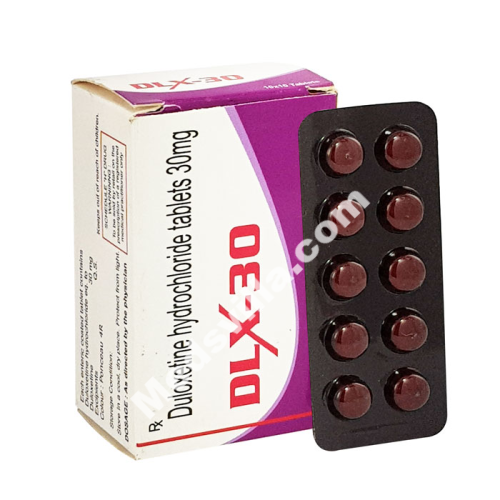
What is DLX 30 mg (Duloxetine)?
DLX 30 mg is a prescription medication that contains Duloxetine hydrochloride, a serotonin-norepinephrine reuptake inhibitor (SNRI). It is commonly used to treat major depressive disorder (MDD), generalized anxiety disorder (GAD), diabetic peripheral neuropathic pain, fibromyalgia, and chronic musculoskeletal pain.
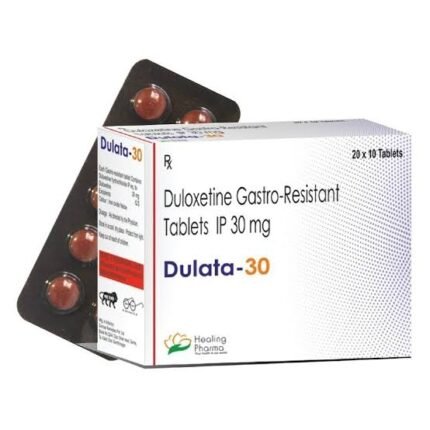
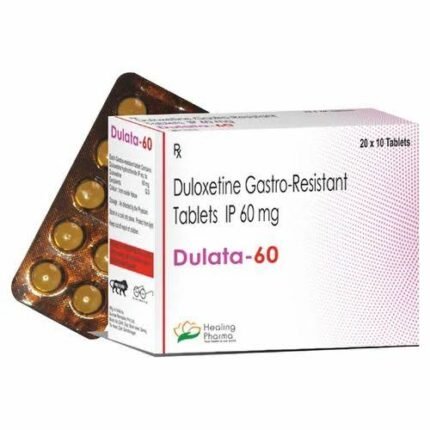
DLX 30 mg is typically manufacture by Indian pharmaceutical companies and is available in capsule form.
What are the Uses of DLX 30 mg?
DLX 30 mg is used to treat:
Major depressive disorder (MDD)
Generalized anxiety disorder (GAD)
Diabetic neuropathic pain
Fibromyalgia
Chronic musculoskeletal pain (e.g., back pain, osteoarthritis)
What are the Benefits of DLX 30 mg?
Improves mood and reduces depressive symptoms
Reduces feelings of worry, tension, and restlessness
Provides relief from persistent nerve-related pain
Improves sleep quality and physical functioning
May prevent relapse of depression or anxiety with long-term use
How Does DLX 30 mg Work?
DLX 30 mg (Duloxetine) works by inhibiting the reuptake of two key neurotransmitters in the brain: serotonin and norepinephrine. By increasing the levels of these neurotransmitters in the synaptic cleft, Duloxetine helps improve mood, reduce anxiety, and modulate the perception of pain in chronic conditions.
How to Take DLX 30 mg?
Take orally, with or without food.
Swallow the capsule whole — do not crush or chew.
Take at the same time daily to maintain consistent levels in your bloodstream.
Always follow your healthcare provider’s instructions.
Dosage of DLX 30 mg
Initial dose for depression or anxiety: 30 mg once daily, which may be increased to 60 mg/day based on response.
For neuropathic pain or fibromyalgia: Start with 30 mg/day, may increase gradually.
Maximum dose: Usually up to 120 mg/day, but this depends on the indication and patient tolerance.
Missed Dose and Overdose
Missed Dose:
Take as soon as you remember.
Skip if it’s almost time for the next dose—do not double up.
Overdose Symptoms:
Drowsiness, vomiting, agitation, tremors, or seizures.
Seek immediate medical help or contact a poison control center.
Available Strengths of DLX (Duloxetine)
DLX (Duloxetine) is commonly available in:
DLX 20 mg
DLX 30 mg
DLX 40 mg
DLX 60 mg
Side Effects of DLX 30 mg
Common Side Effects:
Nausea
Dry mouth
Fatigue or drowsiness
Insomnia
Dizziness
Constipation
Serious Side Effects:
Suicidal thoughts or worsening depression
Liver problems (yellowing of skin/eyes, dark urine)
Serotonin syndrome (confusion, fever, agitation)
Increased blood pressure or heart rate
Allergic reactions (rash, swelling)
Contact your healthcare provider if serious side effects occur.
Interactions of DLX 30 mg
DLX 30 mg may interact with:
MAO inhibitors (e.g., Selegiline, Linezolid)
NSAIDs, aspirin, or blood thinners – increases bleeding risk
Other serotonergic drugs – increases risk of serotonin syndrome
Alcohol – may enhance liver toxicity and drowsiness
CYP1A2 and CYP2D6 inhibitors – may affect Duloxetine metabolism
Precautions of DLX 30 mg
Caution in patients with seizure disorders, bipolar disorder, or hypertension.
Monitor closely in the first few weeks for mood changes or suicidal thoughts.
Avoid abrupt discontinuation—taper dose gradually to avoid withdrawal symptoms.
Storage Information
Store at 15–30°C, away from moisture and heat.
Keep out of reach of children and pets.
Do not use after the expiration date.
Availability in the US and Australia
DLX is an Indian brand name; it may not be available in the US or Australia under this name.
However, Duloxetine is available in both countries, commonly under brand names like:
Cymbalta (USA, AUS)
Drizalma Sprinkle (USA)
Frequently Asked Questions (FAQs)
1. How long does it take for DLX 30 mg to work?
Improvement in pain or anxiety may be seen in 1–2 weeks; full antidepressant effect may take 4–6 weeks.
2. Can DLX cause weight gain?
Weight changes are uncommon but possible. It may lead to either slight weight loss or gain in some individuals.
3. Can I drink alcohol with DLX 30 mg?
Alcohol is not recommend, as it increases the risk of liver toxicity and CNS side effects.
4. Can DLX 30 mg be taken long-term?
Yes, with regular monitoring by your doctor, it is safe for long-term management of chronic conditions.



Reviews
There are no reviews yet.