
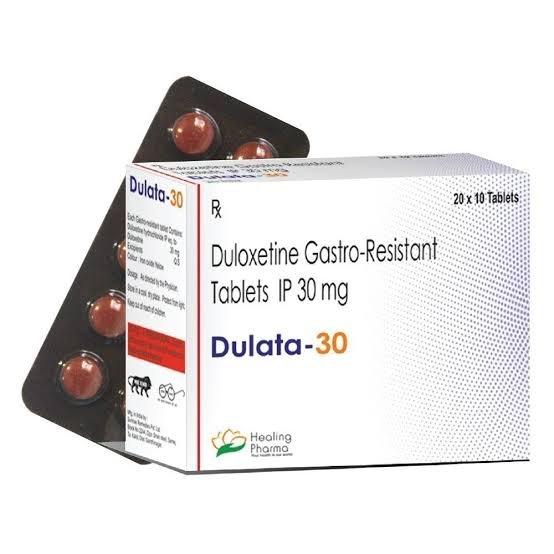


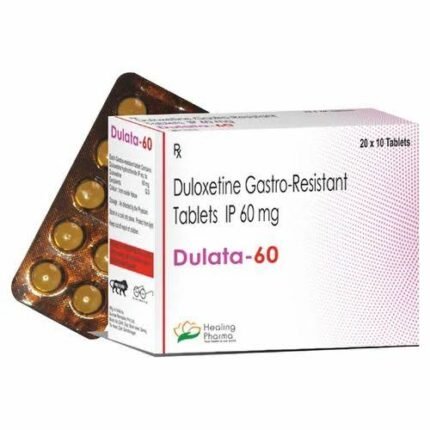
What is Dulata 40 mg?
Dulata 40 mg is a prescription medication that contains Duloxetine, a serotonin-norepinephrine reuptake inhibitor (SNRI). It is used to manage depression, anxiety disorders, and certain chronic pain conditions such as diabetic nerve pain, fibromyalgia, and chronic musculoskeletal pain.
What are the Uses of Dulata 40 mg?
Dulata 40 mg is used for the treatment of:
Major Depressive Disorder (MDD)
Generalized Anxiety Disorder (GAD)
Diabetic Peripheral Neuropathic Pain
Fibromyalgia
Chronic Musculoskeletal Pain (e.g., back pain, osteoarthritis)
What are the Benefits of Dulata 40 mg?
Mood Stabilization: Relieves symptoms of depression and anxiety.
Pain Management: Alleviates nerve pain and chronic musculoskeletal discomfort.
Improved Sleep: Reduces anxiety and pain that may interfere with rest.
Enhanced Daily Functioning: Improves emotional well-being and physical activity in chronic conditions.
How Does Dulata 40 mg Work?
Duloxetine in Dulata 40 mg works by blocking the reabsorption (reuptake) of serotonin and norepinephrine in the brain. These neurotransmitters are involved in mood regulation and the pain response. By increasing their availability, the drug helps:
Regulate emotional balance (in depression/anxiety)
Decrease the perception of pain (in neuropathic or chronic pain)
How to Take Dulata 40 mg?
Take orally once or twice daily, as prescribed.
Swallow the capsule whole with water—do not crush or chew.
Can be taken with or without food.
Consistency is key: Take it at the same time every day.
Dosage of Dulata 40 mg
Initial dose often starts at 30–40 mg once daily, depending on the condition.
Your doctor may adjust the dose based on response, with the usual therapeutic range between 40 mg and 60 mg per day.
Do not increase or decrease the dose without medical guidance.
Missed Dose and Overdose
Missed Dose: Take it as soon as you remember. If it’s close to the next dose, skip the missed one. Do not double dose.
Overdose: May cause nausea, vomiting, tremors, agitation, or even seizures. Seek emergency medical help immediately.
What are the Available Strengths of Dulata?
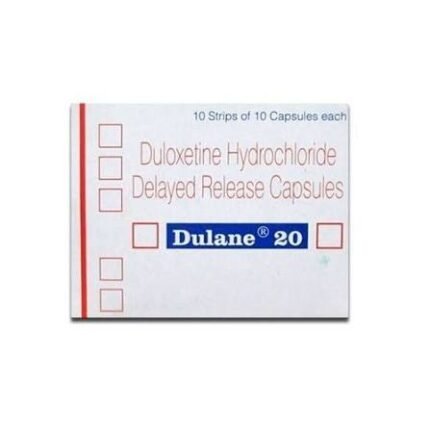
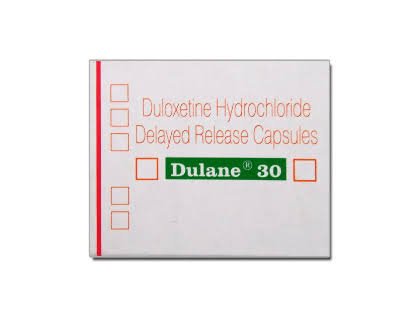
Dulata (Duloxetine) is available in capsule form in the following strengths:
20 mg
30 mg
40 mg
60 mg
Side Effects of Dulata 40 mg
Common side effects:
Headache
Dizziness
Dry mouth
Constipation
Fatigue
Loss of appetite
Serious side effects:
Liver problems (jaundice, dark urine)
High blood pressure
Suicidal thoughts (especially in young adults)
Serotonin syndrome (confusion, tremors, sweating)
Withdrawal symptoms if stopped abruptly
Interactions of Dulata 40 mg
Avoid combining with:
MAO inhibitors (e.g., phenelzine, selegiline)
Other serotonergic drugs (e.g., SSRIs, triptans)
Blood thinners or NSAIDs (increased bleeding risk)
Alcohol (increases liver toxicity and drowsiness)
Certain antibiotics or antifungals that inhibit CYP1A2 or CYP2D6
Precautions of Dulata 40 mg
Inform your doctor if you have:
Liver or kidney disease
Hypertension
Glaucoma
Seizure disorders
History of bipolar disorder or suicide attempts
Pregnancy and Breastfeeding: Use only if the benefit outweighs the risk.
Avoid alcohol and driving if experiencing dizziness or drowsiness.
Storage Information
Store in a cool, dry place at 15–30°C (59–86°F).
Keep away from light and moisture.
Keep out of reach of children and pets.
Availability in the US and Australia
United States: Available as brand (Cymbalta) and generic (Duloxetine) including Dulata.
Australia: Available under the PBS (Pharmaceutical Benefits Scheme) by prescription. Brands may include Cymbalta or generics like Dulata.
Frequently Asked Questions (FAQs)
1. How long does Dulata 40 mg take to show effect?
Initial effects may be felt in 1–2 weeks, but full improvement can take 4–6 weeks.
2. Can I stop Dulata 40 mg suddenly?
No. Stopping abruptly may cause withdrawal symptoms like dizziness, irritability, and nausea. Always taper under medical supervision.
3. Can Dulata cause weight gain or loss?
Both are possible, but weight loss due to reduced appetite is more common.
4. Can it be used with painkillers?
Yes, but avoid combining with NSAIDs or opioids without doctor’s advice due to increased risk of bleeding or sedation.



Reviews
There are no reviews yet.